.svg)

By Theo D'Souza, Senior Change Consultant
How change is delivered and supported can vary from project to project and organisation to organisation. For those who may not be familiar with change management practices, here are three simple tips that can guide with better change outcomes.
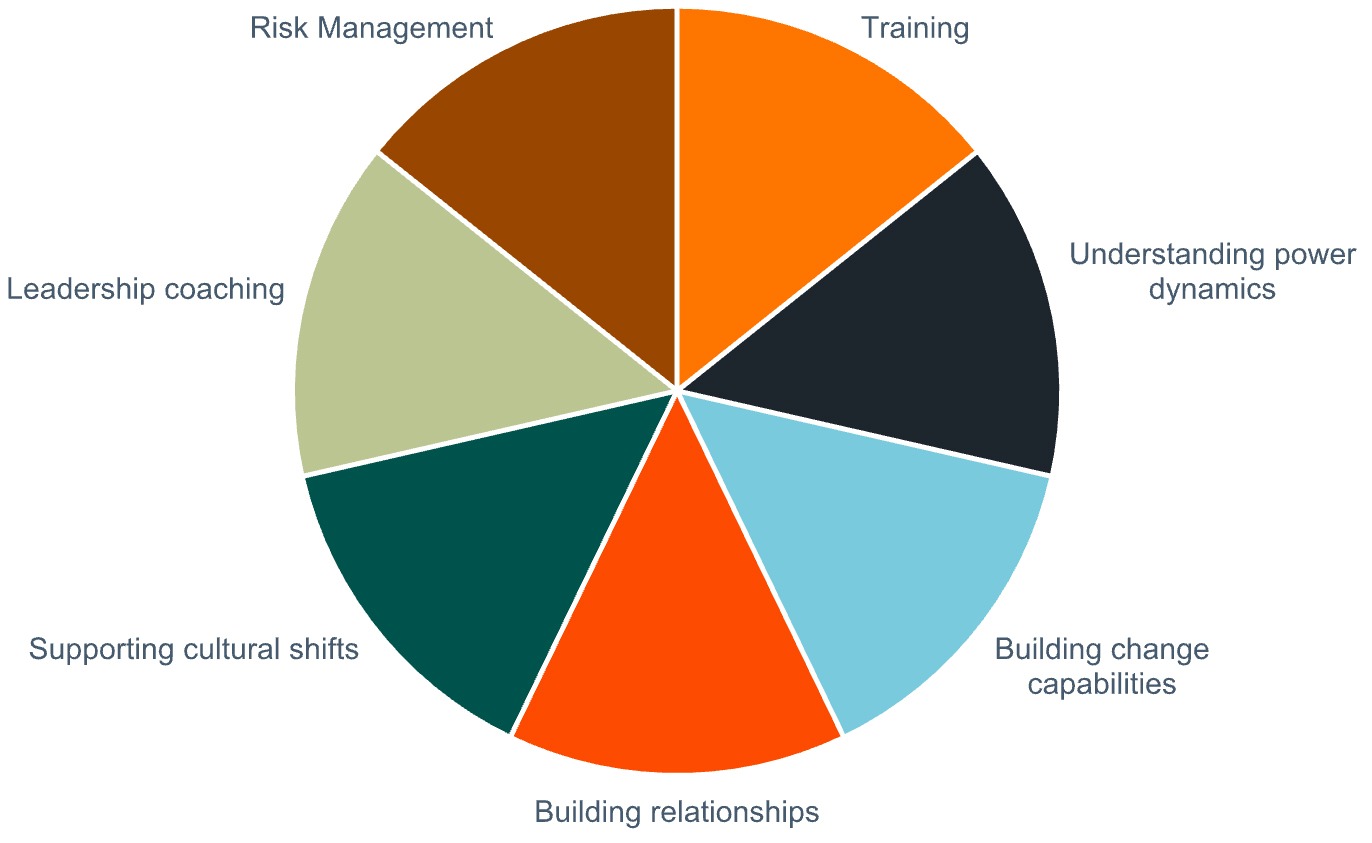
Simply put, change management is the practice of guiding and supporting people through a change initiative from what they currently do to what they will be doing in the future. It involves planning, implementing and sustaining changes in business processes, technology, organisational structure or company culture (Ross, 2020). Activities can include
While this is not an exhaustive list, it provides some insights into what a change management specialist may do to support your people succeed.
As a business, starting a transformation project comes with its set of ROI or success metrics and often these metrics are heavily reliant on your people doing something differently from what they do today (Prosci, n.d.). By taking a structured approach utilising any number of methodologies and frameworks, Change Management can help organisations meet these project goals by supporting in change adoption well beyond the go-live of these projects. Change can feel scary, especially when the future is unknown and especially when what you are used to is going to be different and that’s exactly where the art of change management comes in. It’s not always about having the answers, but rather listening and assuring people that it’s a journey that you will guide and support them through.
Whether you have a change professional working within your organisation or not, here are three initial tips that you can incorporate within your transformation initiative right now that can help your people with their change journey.

Also known as a Stakeholder Analysis, this activity can easily be carried out without the use of fancy tools. This activity involves identifying all stakeholders that need to be engaged in one way or another for this project (Sippl et al., 2022). This can include
Carrying out an activity like this early in the project will help support your engagement type with each of these groups, bringing the right voices to the table and ensuring all key stakeholders are on the journey.
Known as a change impact assessment, this activity is a staple for all change professionals when applied appropriately (Bevan, 2015, Ross, 2020, Prosci, n.d.). The aim here is to simply identify for each change, who does this change impact, what are the key changes and what is the degree of change. The format of how this collated can be as simple as using an excel spreadsheet or table using existing current and target state information. The two key important factors of this process include
Co-creation brings about a sense of ownership. If those who are going through the change have a stake in how that change is delivered, they are more likely to support the outcomes (Earth2Mars, n.d.). By building out plans such as the training, comms, and support plans with your end users, you get their perspective and needs first hand. Through the transformation initiative, check in with your stakeholders, if plans are not meeting their needs look to adapt. This is their journey and the more we can help them during the process the greater the level of adoption at the end.
If you are looking for more information on how you can support your people through your transformation initiatives this year, Mosaic would be thrilled to get in touch.


By Theo D'Souza, Senior Change Consultant
How change is delivered and supported can vary from project to project and organisation to organisation. For those who may not be familiar with change management practices, here are three simple tips that can guide with better change outcomes.
Simply put, change management is the practice of guiding and supporting people through a change initiative from what they currently do to what they will be doing in the future. It involves planning, implementing and sustaining changes in business processes, technology, organisational structure or company culture (Ross, 2020). Activities can include
While this is not an exhaustive list, it provides some insights into what a change management specialist may do to support your people succeed.
As a business, starting a transformation project comes with its set of ROI or success metrics and often these metrics are heavily reliant on your people doing something differently from what they do today (Prosci, n.d.). By taking a structured approach utilising any number of methodologies and frameworks, Change Management can help organisations meet these project goals by supporting in change adoption well beyond the go-live of these projects. Change can feel scary, especially when the future is unknown and especially when what you are used to is going to be different and that’s exactly where the art of change management comes in. It’s not always about having the answers, but rather listening and assuring people that it’s a journey that you will guide and support them through.
Whether you have a change professional working within your organisation or not, here are three initial tips that you can incorporate within your transformation initiative right now that can help your people with their change journey.
Also known as a Stakeholder Analysis, this activity can easily be carried out without the use of fancy tools. This activity involves identifying all stakeholders that need to be engaged in one way or another for this project (Sippl et al., 2022). This can include
Carrying out an activity like this early in the project will help support your engagement type with each of these groups, bringing the right voices to the table and ensuring all key stakeholders are on the journey.
Known as a change impact assessment, this activity is a staple for all change professionals when applied appropriately (Bevan, 2015, Ross, 2020, Prosci, n.d.). The aim here is to simply identify for each change, who does this change impact, what are the key changes and what is the degree of change. The format of how this collated can be as simple as using an excel spreadsheet or table using existing current and target state information. The two key important factors of this process include
Co-creation brings about a sense of ownership. If those who are going through the change have a stake in how that change is delivered, they are more likely to support the outcomes (Earth2Mars, n.d.). By building out plans such as the training, comms, and support plans with your end users, you get their perspective and needs first hand. Through the transformation initiative, check in with your stakeholders, if plans are not meeting their needs look to adapt. This is their journey and the more we can help them during the process the greater the level of adoption at the end.
If you are looking for more information on how you can support your people through your transformation initiatives this year, Mosaic would be thrilled to get in touch.