By Theodore D'Souza, Senior Change Consultant

This was the first time I had attended and presented in both a workshop and panel format. We are all aware of just how rapidly our environment is changing, it is the new norm. As professionals, be it BA’s, PM’s, Test leads or CM’s, we are expected to do more with less and so I focused my theme on sharing three change principles that can level up business analysis professionals to help our clients reach their project ambitions in full.
Because as BA professionals, they have the advantage of being in the room right from the start. As they start to illicit requirements and shape process maps around current and target states, they are engaging with key stakeholders who are ultimately going to own and adopt the change. The earlier they can engage with these stakeholders and co-create the outcomes, the greater the ownership and adoption will be of these outcomes.
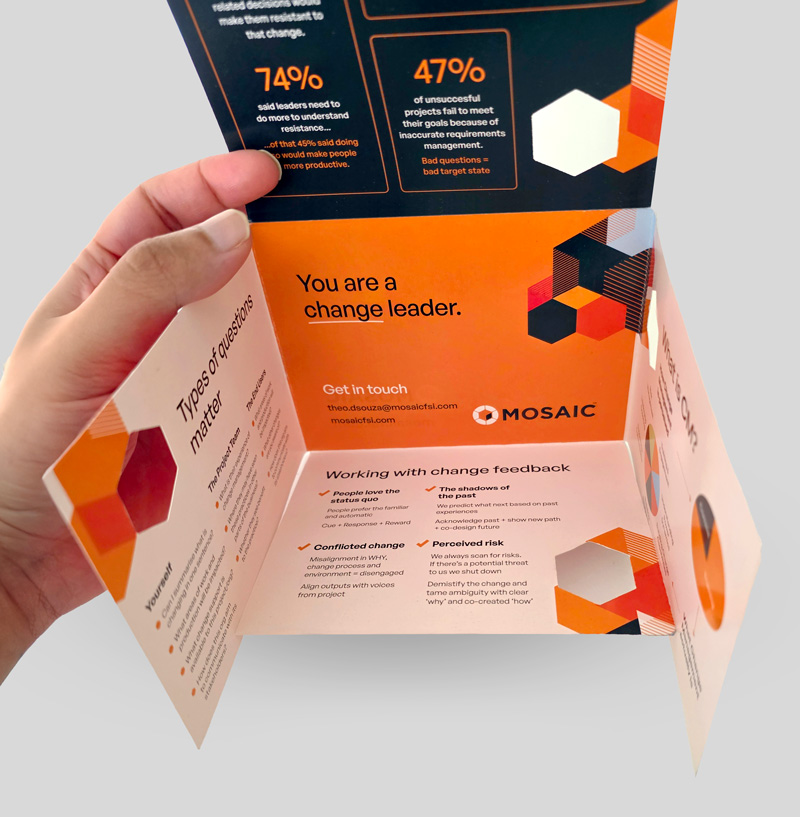
By asking specific questions such as ‘can I summarize this change in one sentence’ or ‘what worked well in previous projects. In the absence of a change professional, these questions can quickly help our BAs understand the entire picture, not just the changes specifically related to the project, and this can support them in how they engage with these stakeholders. These insights will support not just delivery but genuine change adoption post go-live.
By understanding that ‘resistance’ is a response to change rather than simply something that needs to be managed. When faced with change, people respond, either quietly or loudly, and these responses give insights into what stakeholders are looking for in terms of support, information or simply what’s in it for them. Through acknowledging the past, highlight what’s different this time and thoughtful design and co-creation of the way forward, our BAs will be able to better navigate these responses.
These principles were grounded in a single statistic; “12% of organisation report achieving their transformation ambitions in full” (BCG Transformation Survey, 2023) and while projects do shift over time due to shifts in resources, the lack of people support is still a significant contributing factor. Uplifting even one of these areas can help increase ownership, accountability and engagement ultimately leading to an increase in adoption of that change project.


Download a printable version of the brochure

By Theodore D'Souza, Senior Change Consultant
This was the first time I had attended and presented in both a workshop and panel format. We are all aware of just how rapidly our environment is changing, it is the new norm. As professionals, be it BA’s, PM’s, Test leads or CM’s, we are expected to do more with less and so I focused my theme on sharing three change principles that can level up business analysis professionals to help our clients reach their project ambitions in full.
Because as BA professionals, they have the advantage of being in the room right from the start. As they start to illicit requirements and shape process maps around current and target states, they are engaging with key stakeholders who are ultimately going to own and adopt the change. The earlier they can engage with these stakeholders and co-create the outcomes, the greater the ownership and adoption will be of these outcomes.
By asking specific questions such as ‘can I summarize this change in one sentence’ or ‘what worked well in previous projects. In the absence of a change professional, these questions can quickly help our BAs understand the entire picture, not just the changes specifically related to the project, and this can support them in how they engage with these stakeholders. These insights will support not just delivery but genuine change adoption post go-live.
By understanding that ‘resistance’ is a response to change rather than simply something that needs to be managed. When faced with change, people respond, either quietly or loudly, and these responses give insights into what stakeholders are looking for in terms of support, information or simply what’s in it for them. Through acknowledging the past, highlight what’s different this time and thoughtful design and co-creation of the way forward, our BAs will be able to better navigate these responses.
These principles were grounded in a single statistic; “12% of organisation report achieving their transformation ambitions in full” (BCG Transformation Survey, 2023) and while projects do shift over time due to shifts in resources, the lack of people support is still a significant contributing factor. Uplifting even one of these areas can help increase ownership, accountability and engagement ultimately leading to an increase in adoption of that change project.
Download a printable version of the brochure